Empowering Cancer Survivors: A Comprehensive Guide to Resources and Support in Oncology
Imagine standing at the edge of a vast unknown, where every step forward is met with a mix of hope and fear. This is the journey of a cancer survivor. It’s not just a physical battle; it's an emotional odyssey that requires immense strength and resilience. In this oncology blog, we'll explore essential resources available for cancer survivors that can illuminate their path towards healing and empowerment. With the right cancer resources, knowledge, and community support, this daunting journey can transform into a story of triumph.
As you venture into the world of cancer education, you might find yourself inundated with information—some reassuring, some overwhelming. The key is to take a deep breath and focus on what resonates with your personal journey. Whether it’s understanding cancer prevention strategies, learning about state-of-the-art cancer therapies like immunotherapy and chemotherapy, or staying informed with the latest cancer news, each piece of knowledge is a stepping stone toward your recovery and wellness. After all, informed patients are empowered patients!
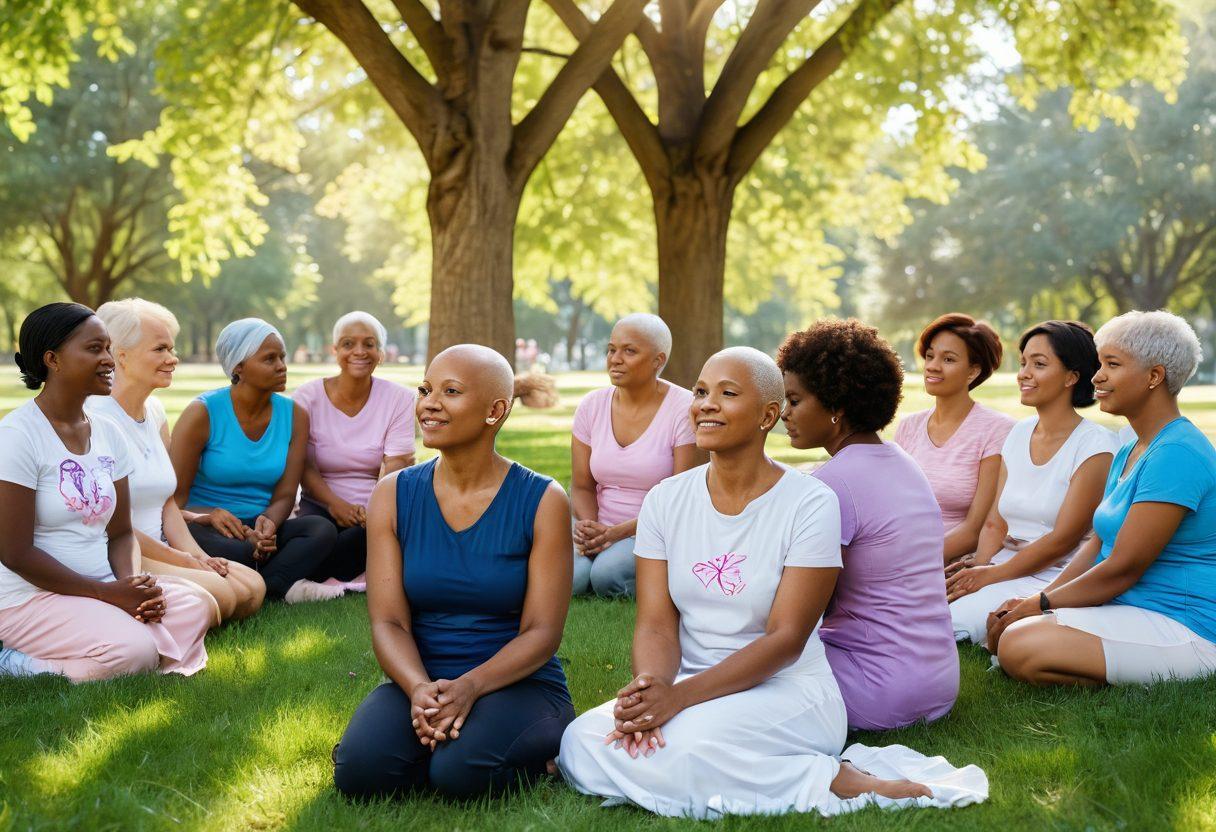
Have you ever wondered how community health initiatives and patient support groups can drastically change the landscape for cancer patients? Picture this: You’re in a room filled with individuals who have walked similar paths, sharing their experiences, fears, and victories. It’s in these moments that profound connections are formed. Stories are shared, laughter erupts, and tears are shed—reminding every cancer survivor that they are not alone. Mental health support is paramount in such settings, reinforcing the notion that healing is as much about emotional well-being as it is about medical intervention.
Moreover, don’t underestimate the importance of holistic cancer care in your recovery. By embracing wellness education and preventive measures, survivors can rebuild their health beyond the realm of conventional medicine. Engaging in activities such as yoga, meditation, or even nutrition workshops can offer a sense of control that often feels lost during treatment. Do you believe that every meal can be a declaration of resilience? This perspective shift can change the way cancer survivors view their journey, fostering a proactive attitude toward health.
As we reflect on the mountain of challenges faced, let us also celebrate the victories. The statistics around cancer survival are improving, thanks to advances in medical research and treatment options. What does this mean for cancer survivors? It’s a sign of hope—a testament that every bit of effort towards education, advocacy, and support counts. So, when the path seems uncertain, remember that there are resources available, stories waiting to be written, and a community ready to rally around you. With the right information and support, the journey after cancer can transform from one of fear to one of empowerment and inspiration.
Navigating Oncology: A Deep Dive into Cancer Advocacy and Patient Empowerment
Navigating the world of oncology can feel like embarking on an unexpected journey, one that is often filled with uncertainty and a whirlwind of emotions. For cancer patients and survivors, understanding their diagnosis and treatment options is paramount. But how do you move from feeling lost to standing strong as an advocate for your own health? This oncology blog aims to empower you with invaluable cancer resources and educational insights, guiding you through the perplexing landscape of cancer therapies, patient support groups, and more. In the empowering words of Maya Angelou, 'I can be changed by what happens to me, but I refuse to be reduced by it.'
The power of cancer advocacy cannot be understated. It’s about more than just fighting for better medical treatments; it’s about empowering cancer survivors to take charge of their health journey. Engaging in cancer education means knowing the ins and outs of your treatment options – whether it’s chemotherapy, radiation therapy, or innovative immunotherapy. Imagine feeling a sense of control and confidence in your treatment decisions, rather than the fear that often accompanies a cancer diagnosis. Have you looked into resources that help you learn about your rights as a patient?
Cancer patients often feel alone in their struggles; however, connecting with patient support groups can be a lifeline. Sharing experiences can lighten the load, reminding you that you’re not alone in this journey. Many health blogs focus on personal stories and tips that reflect the realities of living with cancer, diving into both the successes and the challenges. Have you considered joining a community health forum in your area? This isn’t just about finding support – it’s about becoming part of a collective movement that prioritizes mental health support alongside medical treatment.
As you navigate the complexities of oncology, it’s crucial to stay updated with the latest cancer news and statistics. Cancer prevention starts with education, and understanding emerging research can inform your choices. Many resources are available to help you stay informed about the latest medical research, including trials in innovative therapies that may be right for you. Picture yourself equipped with knowledge every time you step into a doctor’s office. What if you could ask informed questions about the potential benefits of holistic cancer care or lifestyle changes?
Finally, wellness education can play an essential role in your cancer recovery journey. Incorporating wellness practices into your life may heighten your resilience against cancer and improve your overall quality of life. Whether it's exploring nutritious diets, engaging in gentle exercise, or accessing mental health support, the goal is clear: to live richly and fully, regardless of your diagnosis. What’s your next step towards empowering your cancer journey? Dive into these resources, connect with like-minded individuals, and embrace your role as an empowered patient.
From Prevention to Care: Holistic Approaches to Empowering Cancer Survivors
In the journey of battling cancer, every step counts and every moment matters. Survivors often emerge not just with scars that tell their stories, but also with invaluable lessons learned along the way. As we dive into the realm of oncology, we find that the conversation must extend beyond mere treatments. It is essential to embrace a holistic approach that empowers cancer survivors, ensuring they feel supported in every facet of their lives. Ask yourself: how can we, as a community, nurture those who have fought bravely against cancer?
When we think about cancer prevention, it is easy to focus solely on medical interventions like chemotherapy, radiation therapy, and immunotherapy. However, true empowerment requires a fuller lens—where cancer resources, education, and mental health support come into play. The importance of wellness education cannot be overstated; it helps survivors develop knowledge about their bodies, make informed choices, and take proactive steps in their health journey. Have you ever wondered how your daily habits can contribute to cancer prevention?
The landscape of cancer advocacy is ever-evolving, and this is where patient support groups come into play. These vital communities not only provide an emotional safety net for cancer patients and survivors, but they also foster bonding over shared trials and triumphs. Imagine walking into a room where people understand exactly what you've experienced; that sense of belonging can turn the tide on loneliness and isolation often felt after a cancer battle. The importance of such support systems is echoed in cancer statistics, which show that social support significantly boosts survival rates. Isn't it fascinating how connections can facilitate healing?
Moreover, medical research is continuously unveiling insights into holistic cancer care. From mindfulness practices to nutritional support, the field of oncology is embracing methods that address the psyche and physiology of cancer survivors. Conversations around health information and the latest cancer news highlight the potential benefits of integrating holistic therapies alongside traditional treatments. For instance, studies suggest that practices such as yoga, meditation, and even art therapy can immensely improve the mental health support cancer survivors desperately need. What would it look like if your recovery journey included more than just medical appointments?
As we bring these pieces together—cancer prevention, therapies, mental health support, and community health—we can see the bigger picture of what it means to empower cancer survivors. A well-rounded approach can engender a sense of agency and resilience in those affected by cancer. So, let's continue to advocate for more resources, share education, and build networks that uplift one another. Remember, the fight against cancer is not just fought in the doctor's office; it thrives in the hearts and minds of those who refuse to be defined solely by their diagnosis. Are you ready to join the movement toward holistic healing and support?